One Size Doesn’t Fit All: How to Choose the Perfect Bearing
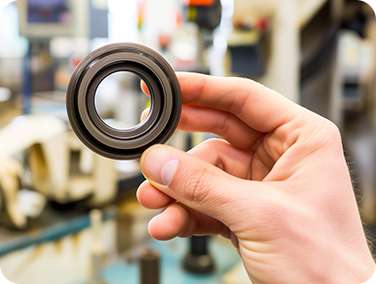
In the world of machinery, bearings are everywhere – from small household gadgets to massive industrial gearboxes. But not all bearings are created equal. Choosing the wrong bearing can lead to excess wear, overheating, and catastrophic failure. That’s why selecting the right bearing is not just good practice – it’s essential.
Key Factors to Consider
- Load Type: Understand whether the bearing will experience radial loads (perpendicular to the shaft), axial loads (parallel), or a combination.
- Speed Requirements: Higher speeds require bearings with tighter tolerances and better lubrication.
- Operating Environment: Moisture, dust, chemicals, and temperature can all impact bearing life.
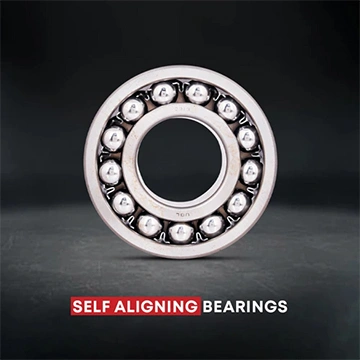
- Mounting and Alignment: Will there be misalignment? Use self-aligning or spherical bearings.
- Maintenance Intervals: Some bearings require frequent greasing, while others are maintenance-free.
Common Bearing Types & Their Use
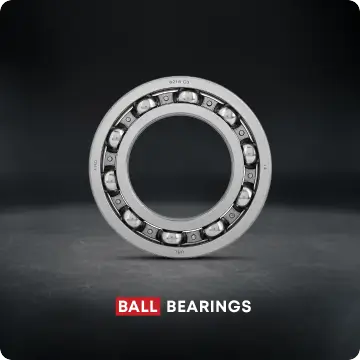
- Deep Groove Ball Bearings: Ideal for high-speed applications with moderate loads.
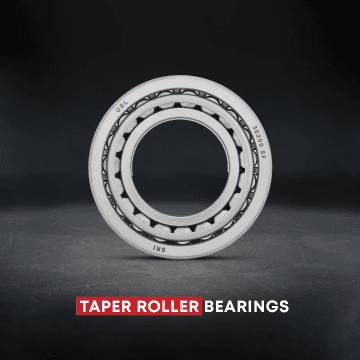
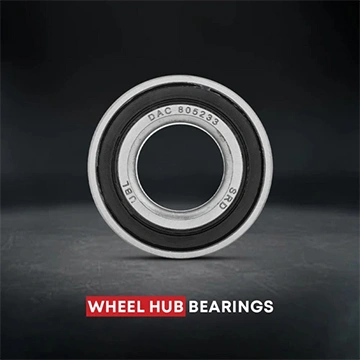
- Tapered Roller Bearings: Excellent for combined loads and applications like wheel hubs.
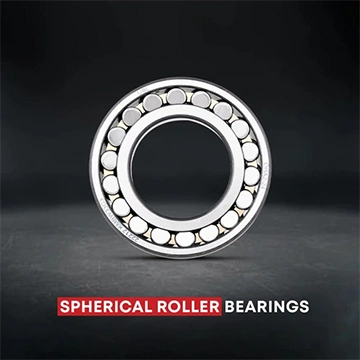
- Spherical Bearings: Handle misalignment and heavy radial loads in construction and mining.
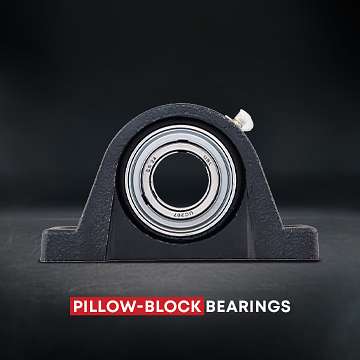
- Pillow Block Bearings: Simple mounting, good for conveyor systems and agricultural use.
UBL Helps You Get It Right
At UBL Bearings, we offer expert guidance and product customization. Whether you’re working in agriculture, automotive, or industrial sectors, our team ensures you choose the right bearing the first time.
Takeaway: Reduce downtime, increase machine life, and save money – just by choosing the right bearing. UBL is here to help.

 0
0